Category: Equipment

  • Southern Stars 2017

    Southern Stars 1

    Thousands of performers and spectators converged on the WIN Entertainment Centre last month, as the annual Southern Stars school arena show hit town.

    More than 3000 student from primary and high schools in the southern schools region performed with the show also including soloists, a 500 piece choir, and orchestra and an indigenous dance company.

    Students came from about 120 public schools as far away as Bourke, and the show was touted as the biggest show so far in Southern Stars’ 17-year history.
    Southern Stars 2JPJ Audio provided all things audio with a system designed Bob Daniels and implemented by George Gorga whose biggest challenge was a large orchestra mainly comprising of students!
    It takes them a while to get used to being in the arena dealing with headphone monitoring, IEMs and the PA running but there’s a point, usually around dress rehearsal, when it all comes together,” he said. “I’m also dealing with a large number of non-professional vocalists but again, it all comes together in the end. Having said that, the musical standard of these kids is extremely high and during the public shows it’s easy to forget that some of these players and performers are only in primary school.

    The stage is set traditionally at one end, albeit a bit bigger than a standard stage, and primarily accommodates the orchestra, whilst the arena floor is the main performance area for soloists and dancers. The choir sit in the seating bank behind the stage.
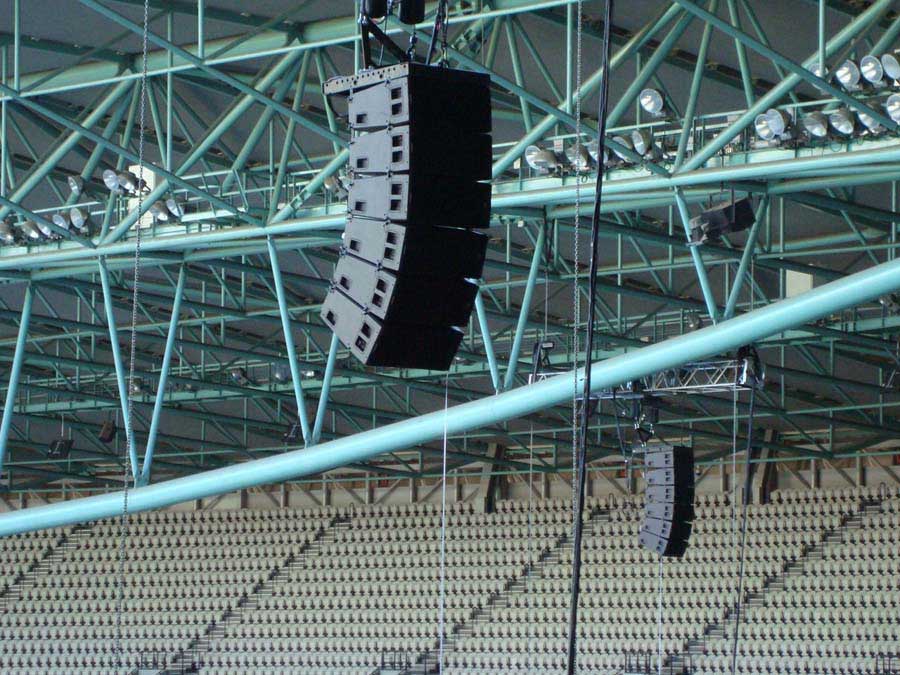
    The PA is a central cluster hung above the floor centre,” explained George. “There are three positions; one facing forward and two straight out to the sides. It looks a bit odd as the centre PA is about two metres behind the side clusters but it works really well and they don’t get in the way of each other. The time alignment is ‘physically’ very close to start with and it’s seamless when you walk around the room.

    Jack Richardson, system tech for the event, remarked that this is the best sounding configuration he’s had heard in this venue. George admits he had a bit of an advantage in the fact that he only had to cover the seating from a centrally located PA, but insists a lot of the success was down to Bob Daniels’ design.
    Southern Stars 5Of course the L-Acoustics K2 system is amazing too,” George added. “It’s my favourite system at the moment. This is the first time we’ve used the K2 on this event and it was a real leap ahead in quality and impact.
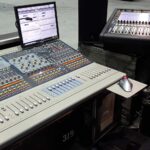
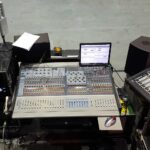
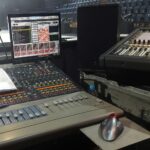
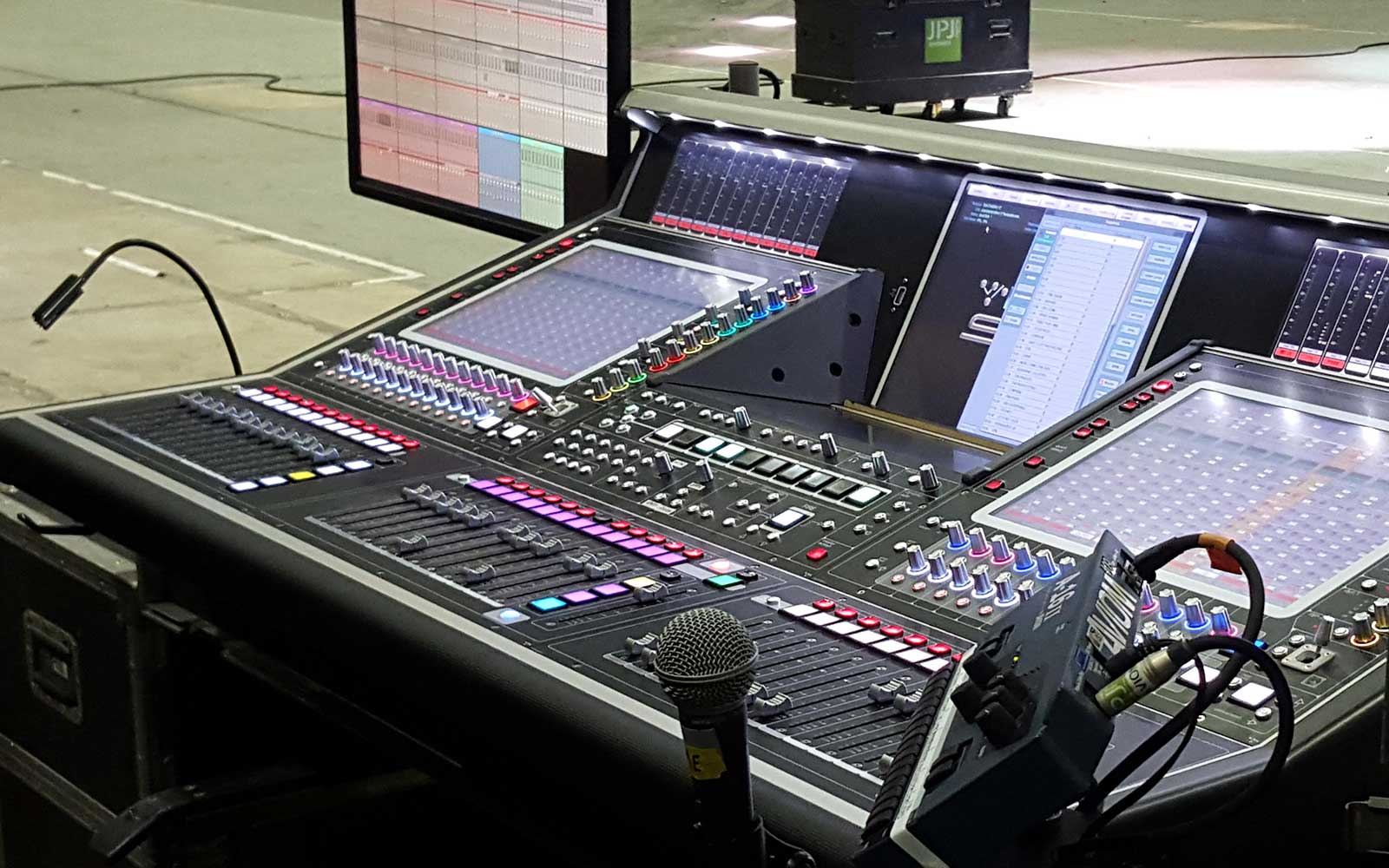
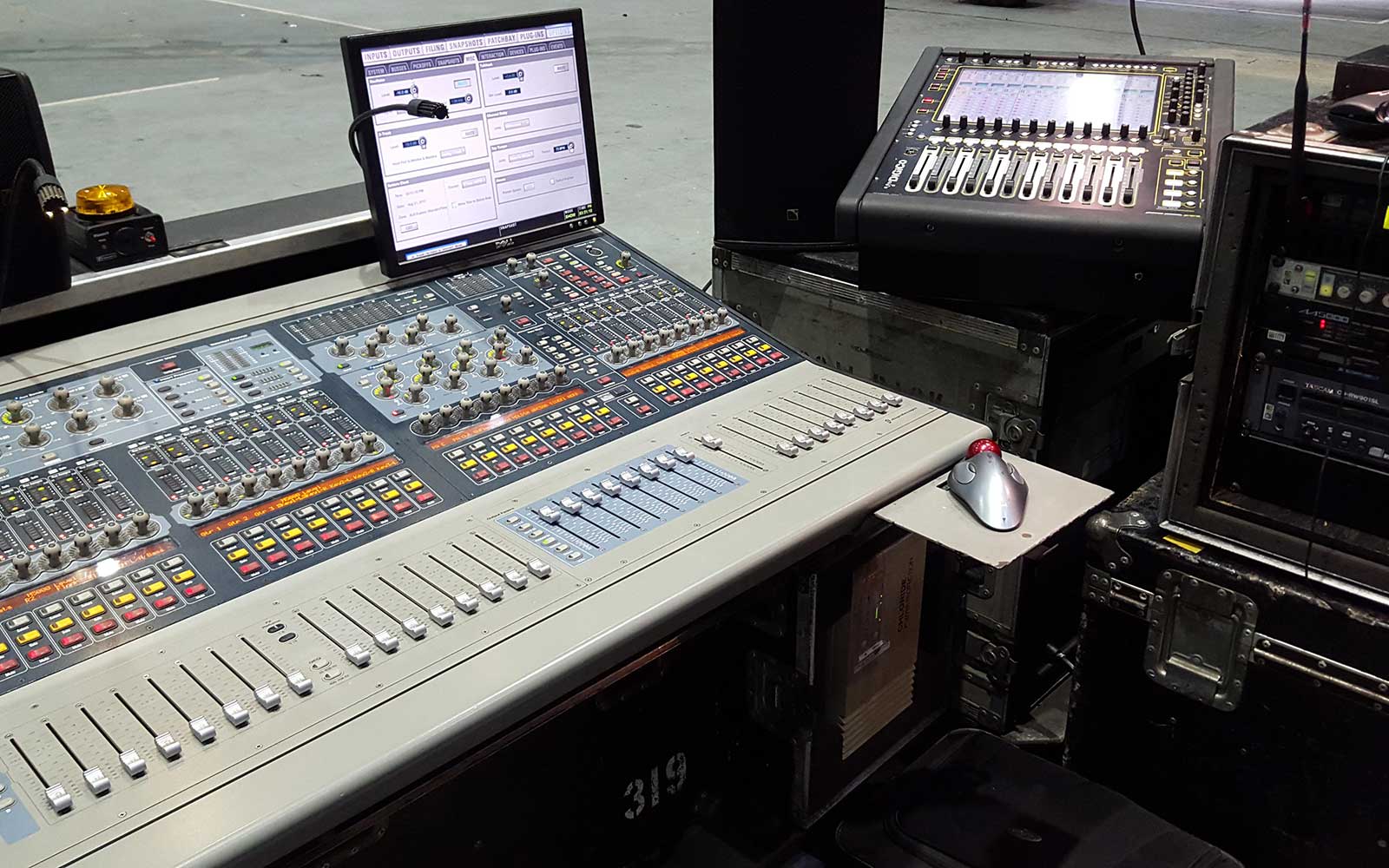
    FOH George ran an Avid 96-channel Profile console plus a 48-channel DiGiCo SD11. On the Profile he used just about all of the available effects adding his standard TC Electronics M5000 reverb and a Smart C2 compressor over the mix buss.

    I use those pretty much all the time and although I could use a plugin for the C2, I’ve got the real thing and it just holds everything together in the mix,” said George. “In a situation like this show where it can be quite unpredictable, the C2 can be a life saver.

    Radio microphones were twenty-six systems of Shure Beta 58 with a couple doubling up as guitar packs and DPA 4088 headset systems. Orchestra microphones were assorted with George favouring dynamic microphones such as Shure 57 and 58’s for brass and woodwind.
    In this situation, they’re much easier to deal with when you have kids using them,” said George. “I still get the sound I want without using expensive condenser mics. With the constant turn around, the radio mic tech Bianca Martin and her volunteer student crew are kept very busy!

    Monitors were taken care of by Bob Daniels on a DiGiCo SD5 with an Aviom headphone system for the orchestra and lots of Sennheiser IEM systems for the singers.

    Gallery – click to enlarge
  • Icehouse – 40 Years Live

    Icehouse 40 1
    Photo © Troy Constable

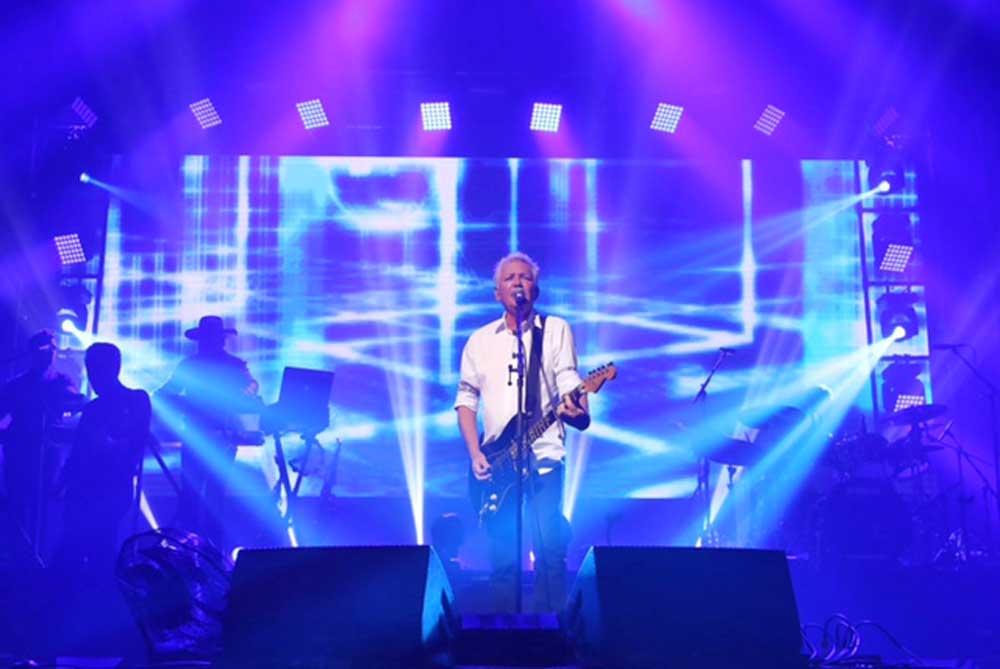
    With a career spanning 40 years, iconic Australian band Icehouse has continued to delight millions with their music, well-known and loved by audiences across generations. Icehouse began in 1977 as a Sydney-based pub rock band called Flowers, who were the highest paid unsigned act in Australia at the time.

    In 2006, Icehouse was inducted into the Australian Recording Industry Association Hall of Fame, being described as ‘…one of the most successful Australian bands of the 80s and 90s’. Icehouse’s 1987 album Man of Colours remains to this day as the highest-selling album in Australia by an Australian band.

    With a history like that, it’s no wonder the band have been selling out their 40 Years Live Tour this year as it travels the country … with more dates just announced!

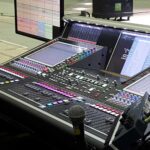
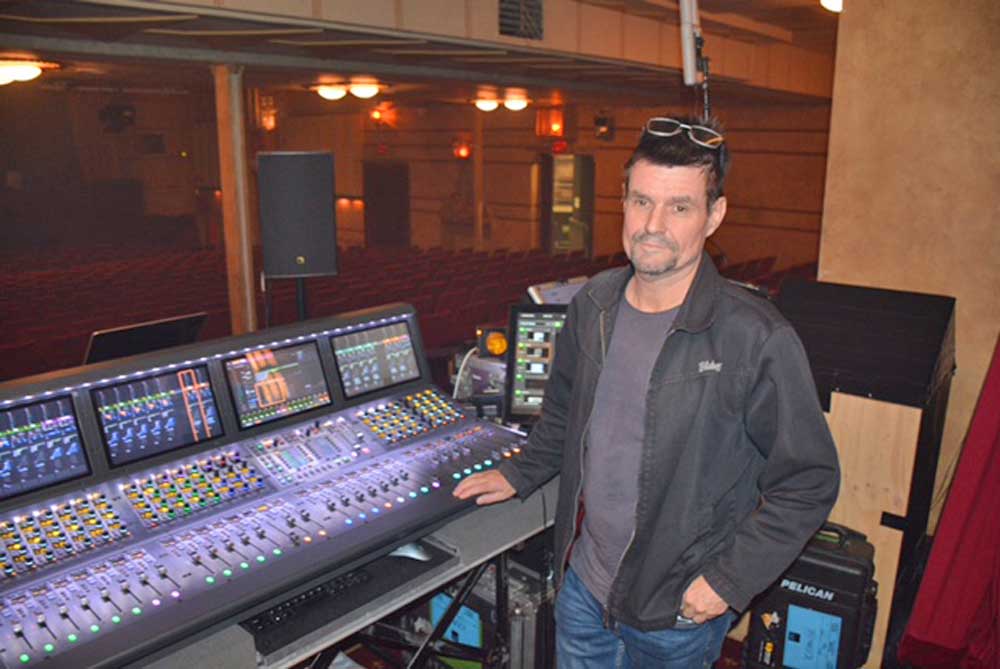
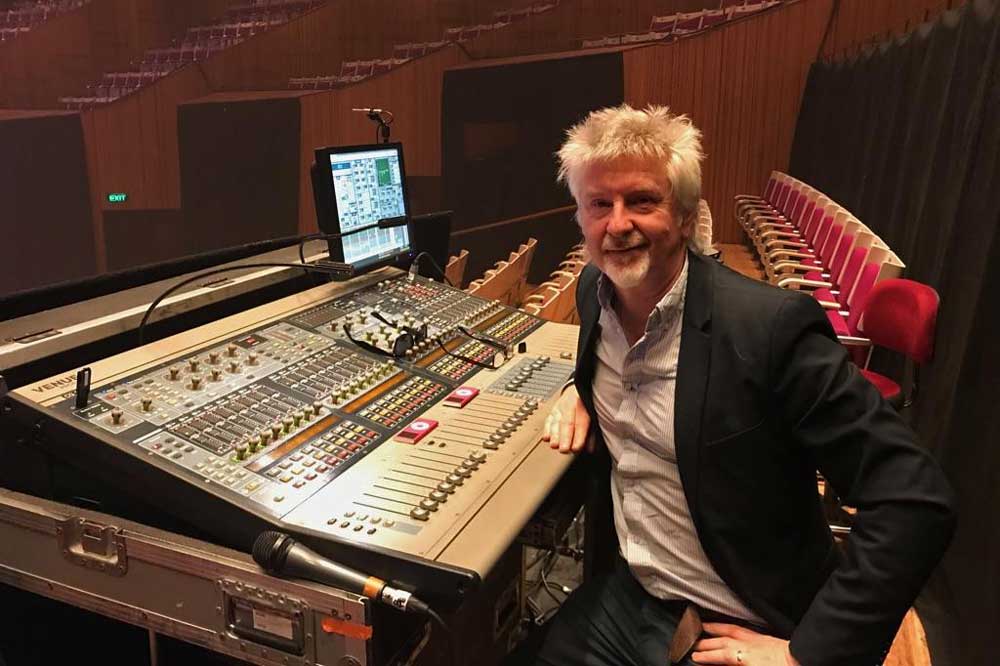
    Touring with an audio package from JPJ Audio, the tour utilized in-house PA systems where available with JPJ supplying speaker systems when required. FOH Engineer Richie Robinson, who has mixed for the band since their return to live shows in 2011, used an Avid Venue S6L saying it is one of the best mixing consoles on the market. He travels with absolutely no extra FOH equipment, which reinforces how good the console sounds on its own.

    I had used an Avid Profile since 2007 and always loved working on it,” he remarked. “However, it got to a stage where I thought ‘well that’s the sound of it’ and decided to try some other consoles that had better preamps and a more open sound stage. While I usually liked the sound of them, I didn’t fall in love with their operating systems as much as I did with the Avid Venue gear. When the Venue S6L came along and I tried it out, I was blown away with how good it sounded. It’s a real win for Avid and I think you’re going to see a lot more of them.

    Icehouse 40 3
    Photo © Troy Constable

    When Richie used to mix Icehouse on an Avid Profile, he implemented a combination of Waves plug-ins and outboard reverbs but he’s been happy with the way the onboard fx plugins sound with the new console.

    With the combination of the new audio engine in the console running at 96khz and the plug-ins running on the AAX DSP cards, even the Avid reverbs sound a whole lot better to me,” added Richie. “I’ve gone back to using the ReVibe reverb which sounds really good and other than that, I bought a few 3rd party plugins for some other eq, compression and saturation flavors. I miss some of my Waves plug-ins but it’s been cathartic to ditch what you’ve been using for so long and just go ‘wow, that sounds so good just straight out of the console!

    One 3rd party plug-in that Richie has used often with Icehouse is the Brainworx bx-console channel strip by Plugin Alliance which he implements over many channels. “There’s a subtle character thing going on with that plug-in that suited this band” said Richie.

    Richie uses the Snapshot and Layout features on the console for all the songs – mainly for turning on and off required input channels and for keeping the top fader layer populated with the key input elements for each song. He also found that snapshotting the effects on the Venue S6L was a very handy tool. As Iva Davies wrote and produced so many of Icehouse’s tunes, he can be quite specific with the echoes and delays used on the original recorded versions so Richie decided to snapshot all of the echo effects. That way he doesn’t have to worry about adding the correct tap tempo to each song – when he recalls the snapshot to the next song all of the stored effect parameters are recalled.

    Microphones were fairly standard with a selection of Shure wired and radio microphones, a couple of AKG414’s for drum overheads plus Sennheiser and Audio-Technica Australia microphones. “We have a Shure KSM9 for when Iva plays an oboe in Man of Colours and that’s probably the funkiest mic we have.” said Richie. “We’ve tried a few different mics on it but that’s the one we kept coming back to.

    Icehouse 40 2
    Photo © Troy Constable

    Onstage, the band are all on Shure PSM1000 IEM’s with most of them using the Shure SE846 ear buds. In addition, Iva has a couple of d&b audiotechnik M4 wedges in front of him as he occasionally removes one of his IEMs. Sidefills are L-Acoustics Arcs with dv-Subs and the drum sub is a pair of d&b Q-subs. Monitor Engineers for the tour were Paul Kennedy (now out with Midnight Oil) and Matt Debien who both used a Yamaha PM5D with an Apogee Big Ben word clock.

  • The Wombats

    Pete Bartlett

    The Wombats are currently celebrating the ten year anniversary of their first album, touring Australia with Groovin’ the Moo and performing a few side shows. For the past five years FOH engineer Pete Bartlett has worked with the band as well as his other main act The Pretenders.

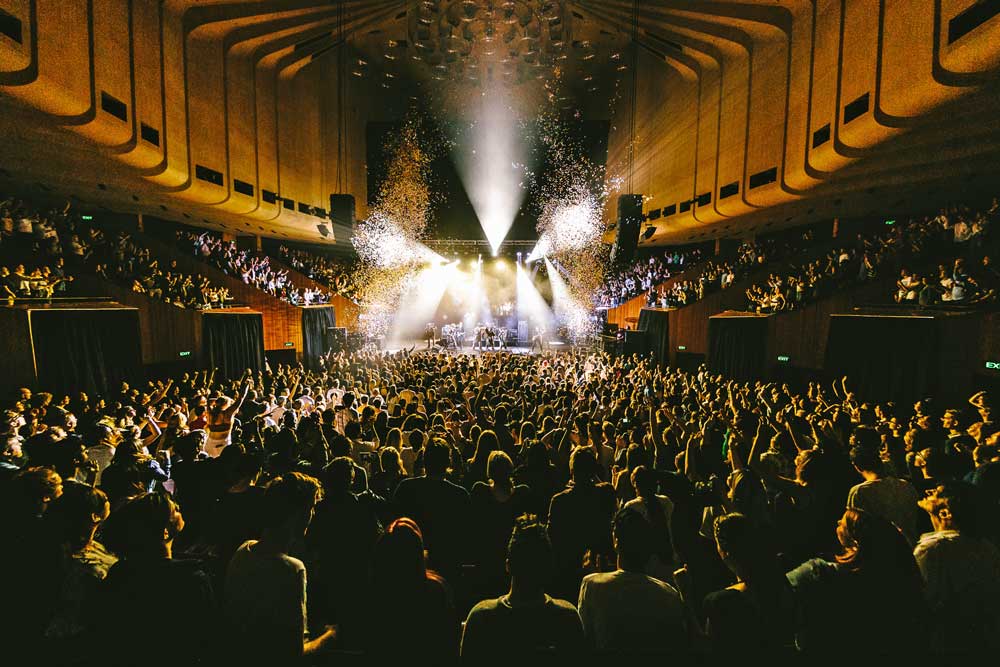
    The band members and crew were delighted to play a couple of shows at the Sydney Opera House, performing memorable and joyous shows. Let’s face it, it’s not often you witness six full-grown humans dancing around in wombat suits on stage whilst confetti guns spray over the crowd.

    JPJ Audio supplied a control package that included an Avid Profile for FOH and another for monitors. Pete was pleased to get everything he wanted!
    I always use an Avid Profile as I have loads of plugins and I’m not a big fan of anything newer,” he remarked. “I’m not a big fan of the new DiGiCo and Midas desks, and the Profile is just more reliable. In fact I’ve stood still for ten years with the Profile but it’s just so easy for me to use, plus you can get them anywhere.

    The Wombats 1
    Click to enlarge.

    Pete explained that he tries to turn his Profile console as much as possible into an SSL console. The reason why is that he admits to being an eighties kid who learnt all of his tricks from being in bands and sitting in studios behind eighties producers.
    I stole all my tricks from eighties producers but hey, a lot of it is all cool again!” he laughed. “Effects-wise, I use a complete mix – TC reverbs, Eventide etc, because the reverbs that come with the Profile are pretty poor.

    Pete commented that when he first started mixing for The Wombats, they had ten channels of playback so if they lost the tambourine channel, they’ve lost that instrument. He didn’t like that so he went into their studio for a couple of days to mix everything to left / right.
    We mixed the tracks really well, just in stereo, so if you lost the left you’ve still got the right,” he added. “It makes life so much easier. They run quite a complicated keyboard set up so it’s all run from Ableton and their keyboards just Midi into the whole thing, so I keep the keyboards separate. Essentially the band are a simple three piece of guitar, bass and drums … but they all sing and all play keyboards too.

    During his time in Australia Pete had a variety of PA systems, including L-Acoustics and d&B audiotechnik, but that didn’t faze him.
    Whenever I get a new PA to work with, I’ll first ask the system guys what they have done to it,” he explained. “Maybe they’ll show me a Lake EQ, and I’ll ask them to turn it off, as I like to do it myself. The last gig in Australia at Bunbury was fantastic because they had done very little to the system. Often I go into a venue to find the audio guys have hacked the PA to death. I’d rather they leave it flat so I can pull out whatever I don’t like. I don’t need anyone to EQ it, as long as it’s all time aligned and it’s correct, I’ll EQ it.

    The Wombats 2
    Click to enlarge.

    Pete has had a deal with Sennheiser for the past eleven years after he used them with Bloc Party, in fact he is still using many of those original microphones as they’re still going strong.
    Basically we don’t have many microphones onstage that cost more than $300, they’re all cheap mics,” he said. “A lot of people listen with their eyes and use something funky and expensive. People wander around backstage saying how clever the mic setup looks, but you go out front and they sound terrible.

    Pete commented that the JPJ Audio crew were fantastic and gave a brilliant service, saying that they made his job very easy.

  • Hans Zimmer Revealed

    Hans Zimmer 1

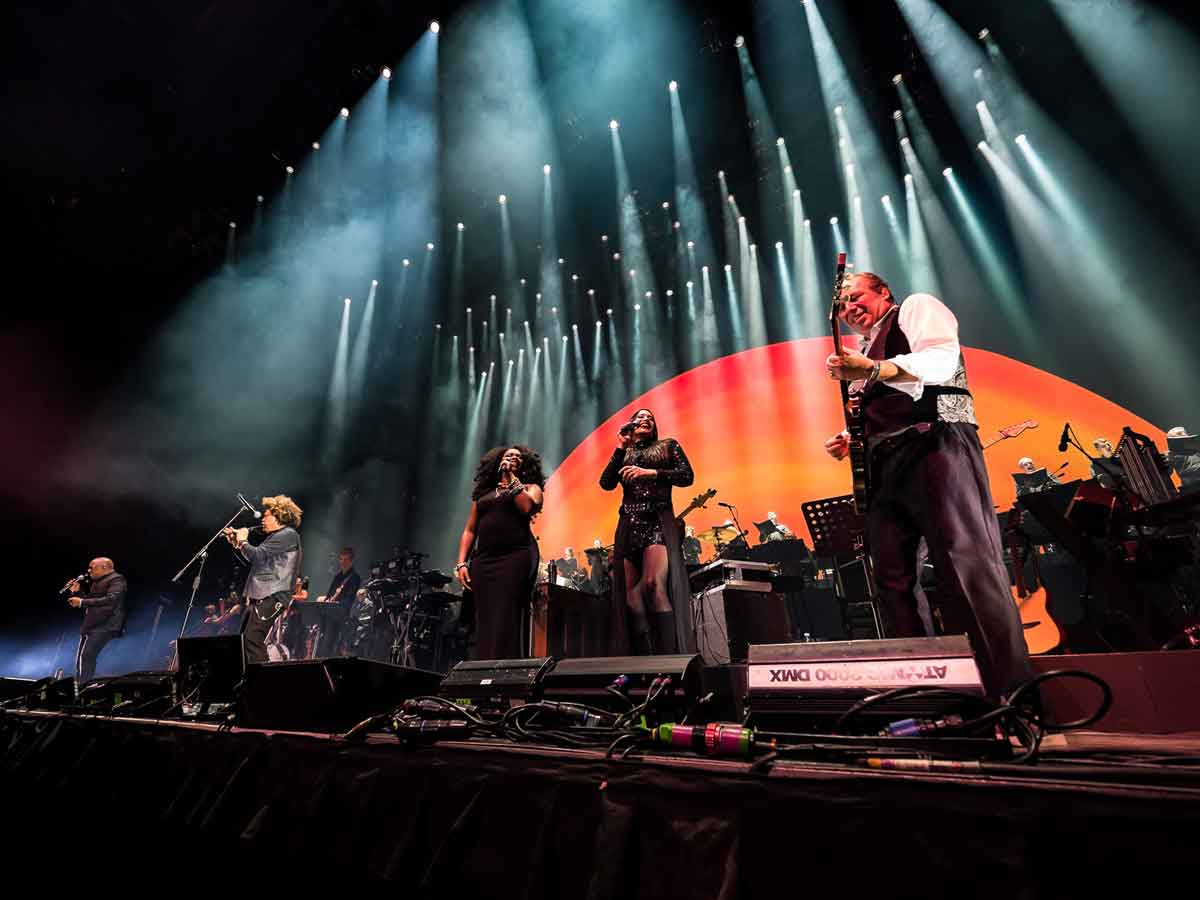
    Legendary German film score composer and record producer Hans Zimmer brought his Revealed Tour to Australia with JPJ Audio tasked with supplying gear and crew for this complex production.

    Since the 1980s, Hans Zimmer has composed music for over 150 films including The Lion King, for which he won Academy Award for Best Original Score in 1995, the Pirates of the Caribbean series, The Thin Red Line, Gladiator, The Last Samurai, The Dark Knight Trilogy, Inception, and Interstellar.

    FOH engineer Colin Pink has worked with Hans for three years with this tour starting in April, firstly doing some dates on the West Coast of the States, before coming to New Zealand and Australia for five shows. The tour then heads off to Europe for twenty-six shows before returning to the States for another twenty-five shows finishing on the 18th August.

    Nathaniel Kunkel is the Sound Designer for the tour and being based in L.A, Colin says he was the right person to do all the pre-production creation and programming for the show.

    Being more of a studio based engineer, he had the ability to refine the detail of the show before we got into rehearsals,” commented Colin. “Once I came on board for rehearsals and the tour itself, we worked very well together using my skills in the live sector, to adapt our work into a touring format.
    Hans Zimmer 2The show is a massive challenge from an audio point of view. There is a core band of twenty-two people, including six keyboard players who all double on other instruments. On top of this there is a choir of sixteen and an ‘orchestra section’ consisting of twelve string players and nine brass players. The total input channel count is 260 and there are 63 monitor mixes.

    To control all of this we have a Digico SD7 at FOH and monitors, plus an SD11 to sub mix the orchestra and choir,” explained Colin. “The main reason for choosing the Digico consoles was their high channel count coupled with their flexibility and ability to ‘copy audio’ over the fiberoptic network. Even with the high channel count of the SD7, I was creating ‘stems’ of the playback and certain sections for Gavin Tempany at monitors, since he could not take all the inputs directly as he had a reduced input count due to his high number of monitor outputs.

    As far as outboard and effects went, Colin has tried to keep it as simple as possible. At FOH he has a t.c. electronic M6000 doing vocal reverbs and uses an internal Tap Delay and some of the internal ‘Audio Enhancers’ inserted across the keyboards and electric cello. Although the show is quite FX heavy most of these are taken care of by the keyboard on stage and some by the playback rig. The show is performed with a full surround rig and a lot of the FX are presented in a surround format.

    I think one of the most difficult – and interesting – parts of mixing for Hans is the way he uses many layers of sound to create interesting textures,” remarked Colin. “There are often thirty or so layers of keyboard tracks which combine to make a fluid texture. In the live environment it’s very hard to achieve the right balance between the component parts and keep track of who is doing which bit!

    Hans Zimmer 3Colin stated that P.A systems had been very interesting on the tour so far, and for the first few venues he used ‘in house’ systems.

    We started at The Microsoft Theatre in L.A and used their JBL Vertec System,” he said. “Our second show was at the Coachella Festival on their L-Acoustics K1 system. Next stop was San Francisco using the new Clair CO12 system. Then we have a K2 system in Vegas and a D&B J Series system in Auckland!
    Once the tour reached Australia JPJ Audio provided their Clair CO12 system for the entire Australian tour and this system will also be used in Europe.

    It’s been great to have a few systems on the tour as a means of comparing them,” added Colin. “With the CO12 we ended up with 16 x CO12 a side as the main hangs, and 12 x CO12 as side hangs. As the content of this show has a very extended low end, we flew 6 x subs per side next to the main hangs and had another 12 x subs across the front of the stage. This gave us a very smooth coverage and plenty of headroom. Added to this we have a full surround system, it is soundtracks after all!

    The mic setup was fairly standard, although on a large scale. All the strings had ‘clip on’ DPA’s and the rest of the orchestra and band had standard microphones. The important part of the mics on stage was that there were no wedges (with everyone on IEM’s) or guitar cabs. All the guitars are being run through ‘Kemper’ emulators, so the only spill into the orchestral mics was from the drum kit which is heavily screened. This allowed Colin a lot more control over the mix 

    JPJ looked after us for the whole of the Australian leg of the tour,” Colin said. “Their service was second to none. The efficiency of the JPJ Sydney crew of Joel and Alex meant I never had to wait for any part of the PA ahead of sound checks.
    Hans Zimmer 4

  • Coldplay 2016 Australian tour

    Coldplay tour 2016 5

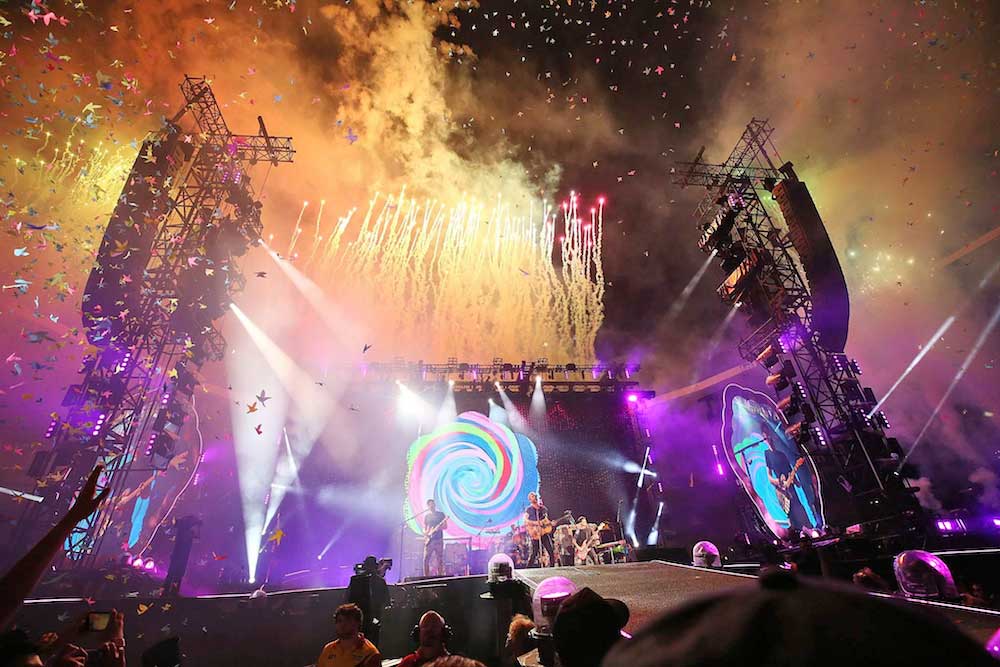
    JPJ Audio supplied Coldplay with a massive d&b system for their four stadium shows in Australia and for their Mount Smart Stadium show in New Zealand.

    JPJ has a great relationship with the Coldplay production team and it was a pleasure to be asked again to supply audio for their tour. Dan Green pulled an amazing sounding show out front with the system in full array mode. A big thanks to, Tony Smith and Nick Mooney the chiefs of CP audio and the entire Wigwam crew for making it a seamless show for us. Looking forward to the next one.

    The local JPJ crew worked around the clock to get the system ready in 4 days and a big thank you for the effort. A great result for JPJ and the Coldplay tour.

    The System

    It was the largest D&B “J” system yet to be seen on our shores. With 176 x J8/12 boxes and 60 subs, a mix of J-sub and Infra. We also used some Q’s for some front lip fill.

    The system design also incorporated array processing to cover entire stadium, which required over 120 x D80 amplifiers! Wigwam supplied the touring consoles and infrastructure and we supplied the entire speaker system with all the opening act kits required. There were also some ring delay systems for the Etihad and Alliance shows. A mad amount of speakers.

    Crew list

    • Josh De Jong
    • Craig Gordon
    • Murray Lewis
    • Conor Dunne
    • Adrian Roach
    • Bonar Darmawan Abraham

    Read more

    Coldplay’s A Head Full of Dreams tour. CX Magazine article by Cat Strom

    Gallery


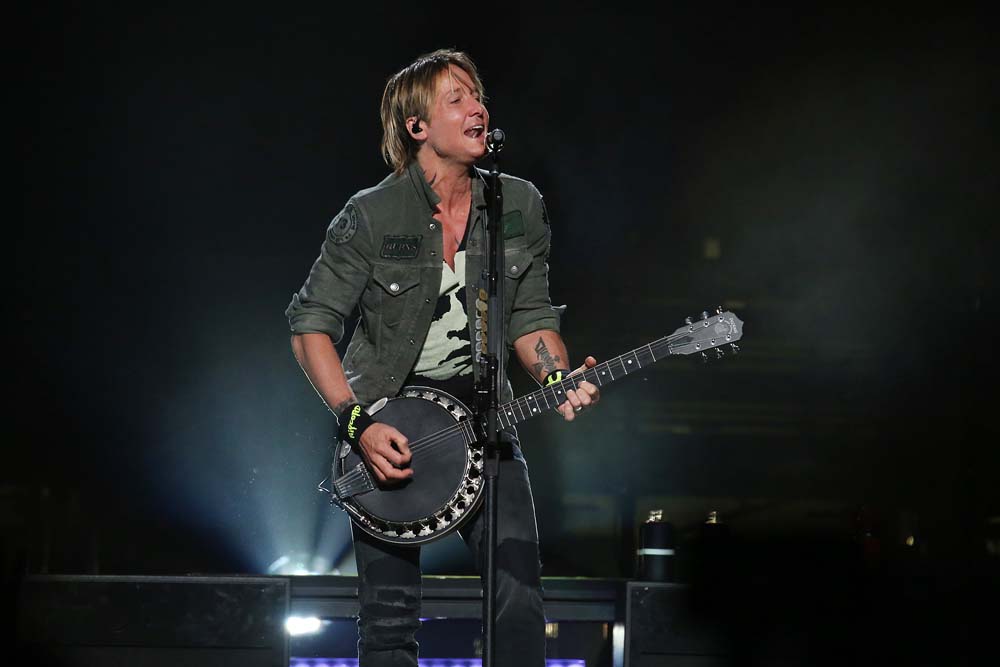
  • Clair Cohesion Series makes Australian debut with Keith Urban

    Keith Urban 25
    All photos ©Troy Constable

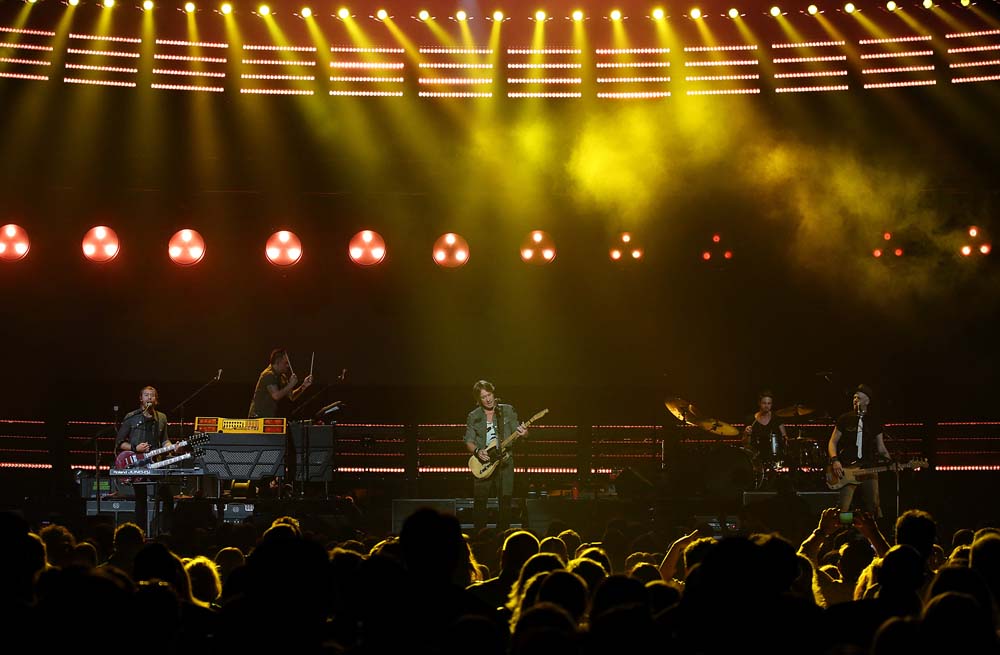
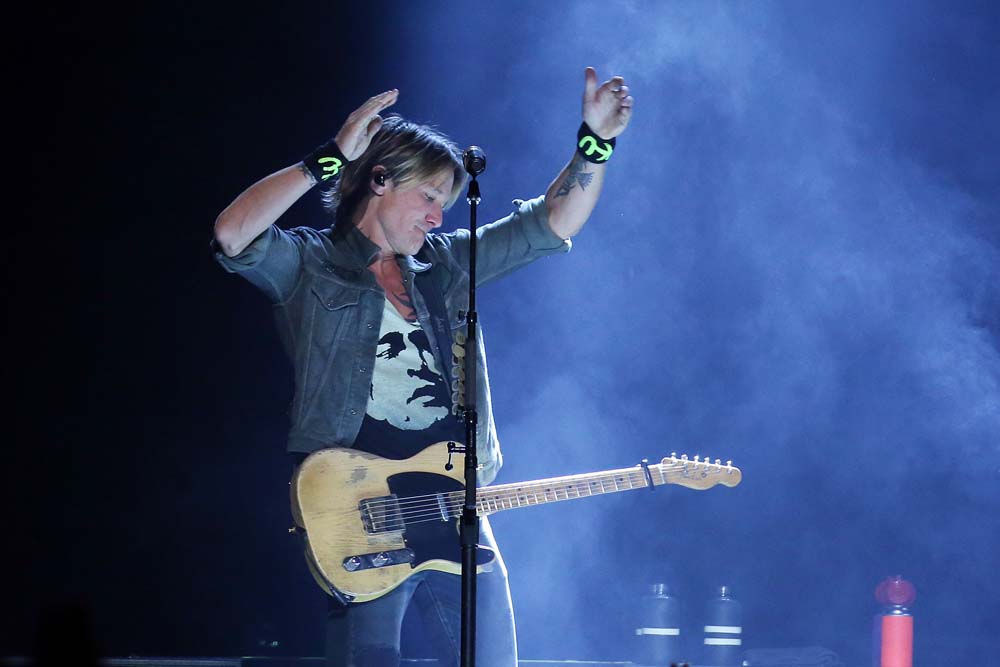
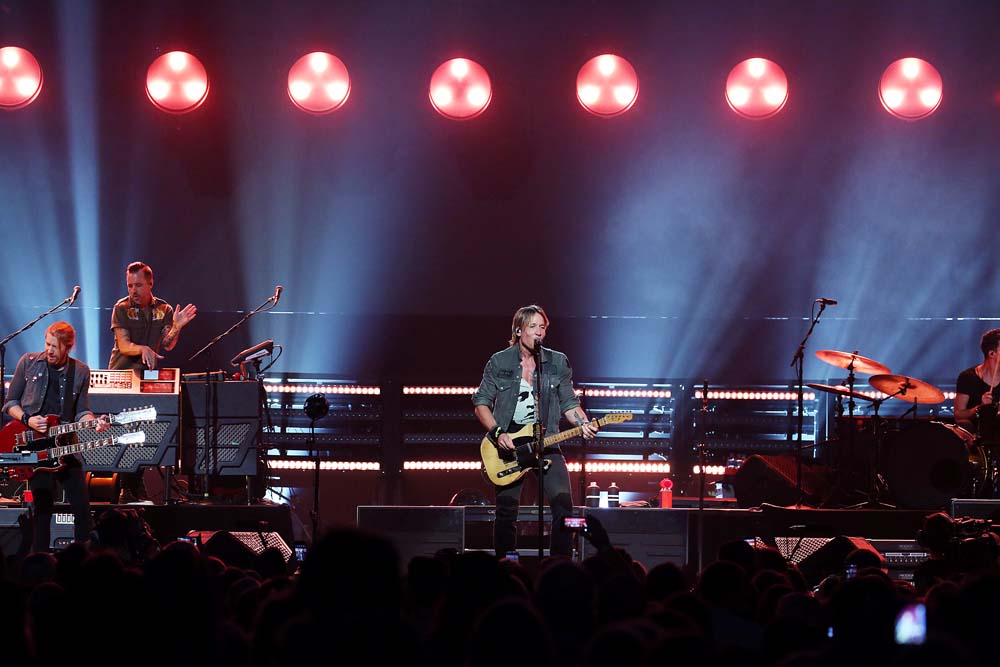
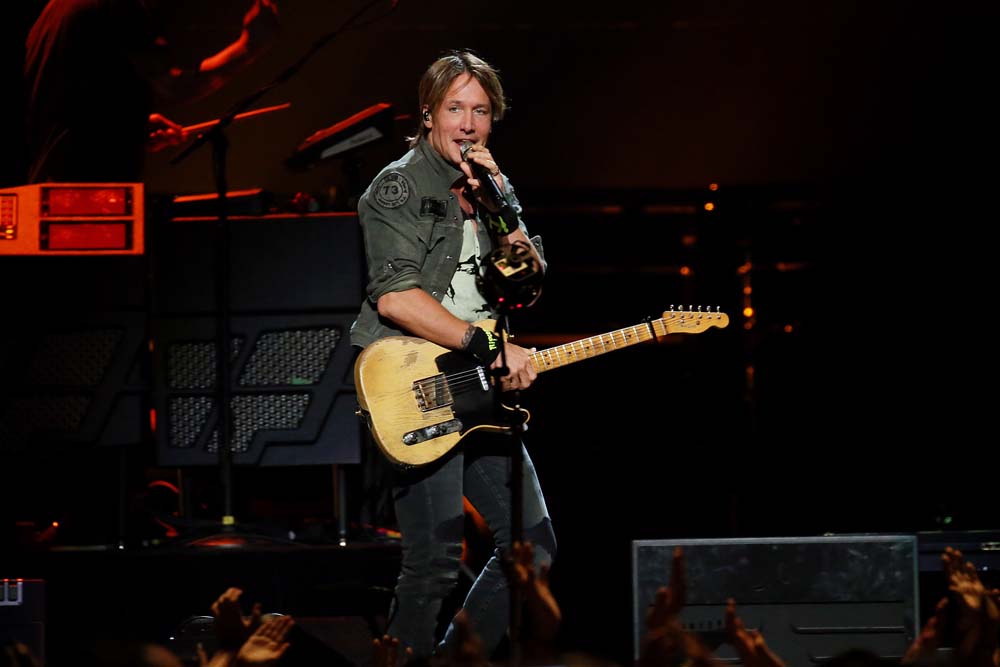
    Although the venue is equipped with a d&b audiotechnik PA system, Keith is a long time Clair account and so JPJ Audio provided their new Clair Cohesion PA system, purchased just in time for Keith’s Australian Ripcord Tour. Seamless integration within the Cohesion Series, assures uniform coverage in multiple venues regardless of acoustic challenges or sightlines. The Series provides higher output, reference quality sound within a smaller footprint; in truck space and in the air.

    Keith’s FOH engineer Kirk Kelsey has mixed for a wide variety of acts including Live, Creed, Three Doors Down, and The Smashing Pumpkins. He readily admits that he has been blown away by the Cohesion Series. “The new Cohesion system is a totally different animal to anything else Clair has produced,” commented Kirk. “It’s also totally different to anything else that I have mixed on such as d&b, Meyer or Adamson. Whilst all of those systems are high quality, Cohesion just keeps going – it never compresses itself, has tons of headroom and it throws a very good distance. The clarity and vocal intelligibility of it is outstanding whether you’re in a theatre, arena or stadium.

    Keith Urban 14Kirk reports that as there is a large amount of low frequency in the hanging PA, he doesn’t have to fly subwoofers. “There’s not a lot of processing in the Cohesion as I believe that Clair wanted to give engineers raw power,” he added. “One thing I learnt with the Cohesion PA is that you have to build your show in this system for it to be able to work. I can’t just come in after an L’Acoustics or d&b show, and plug into the system. The Cohesion system will show all the flaws in the mix so you have to undo everything.
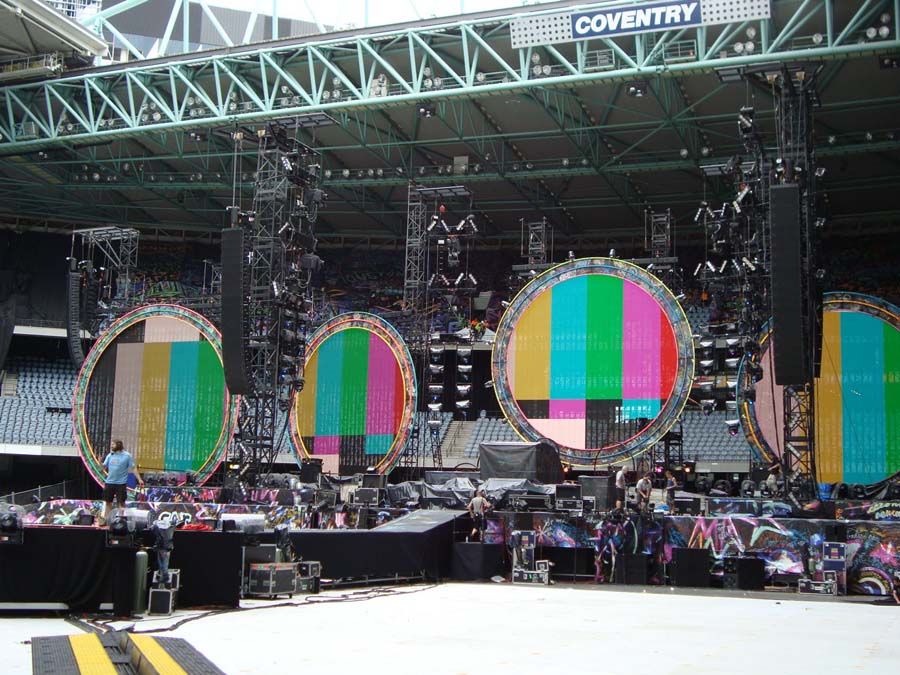
    At the ICC theatre there were twelve Cohesion CP-118™ self-powered sub bass loudspeakers run in a cardio pattern of two blocks of six onstage. Kirk reports that they are really, really efficient and that they deliver tons of output, in fact he actually has to run the subs at -10 compared to the rest of the system.

    The main hang comprised of sixteen Cohesion CO-12 cabinets, Clair’s next generation of versatile, reference quality concert loudspeakers, with a further twelve CO-12’s for side hang. “The side hang is a 120° splay and the main hang an 80° splay,” Kirk clarified. “We also have a centre hang which consists of four Cohesion CO-8 cabinets and that covers the thrust that comes out from the centre of the stage. We also have CO-8’s stacked in various places across the subs or the stage to fill out little gaps.

    Kirk revealed that they had just played Canberra’s GIO stadium with the same configuration of sixteen Cohesion CO-12 cabinets and they were able to reach back of stadium with no problem.

    Keith Urban 5Out front Kirk was mixing on an Avid Profile with a large number of inputs including eight inputs for Keith’s electric guitar alone. For this, Kirk uses many different microphones, blending them to try get the sound as big as possible, as one microphone would not do justice. “Danny Raider our stage right guitar player also plays a lot of auxiliary instruments and then Nathan Barlow upstage right, is the EDM factor to Keith’s new album which has electronica influence,” added Kirk. “Nathan has built this thing that he calls The Phantom that consists of four iPads triggering different types of samples as well as keyboards and pads plus a guitar. There’s a lot of talent of stage and they’re a really tight band. I got lucky with this band – I didn’t have to come in and fix anything!
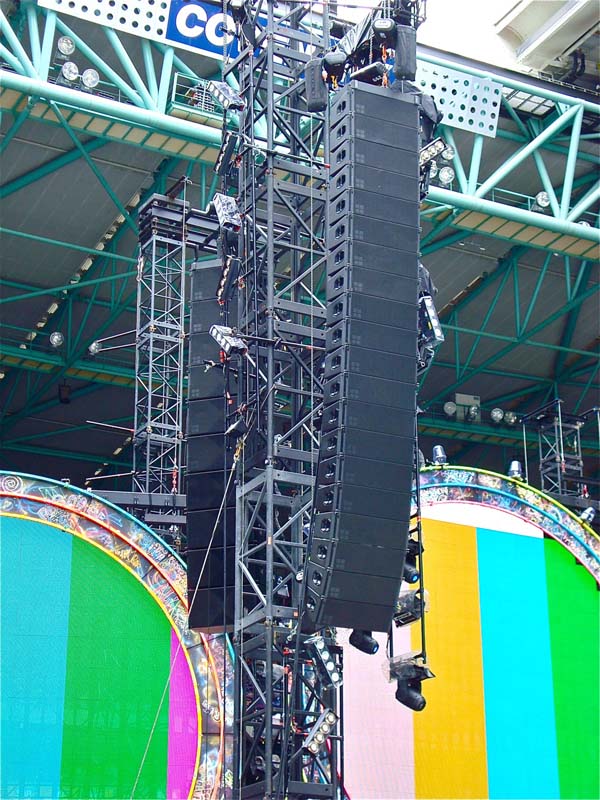
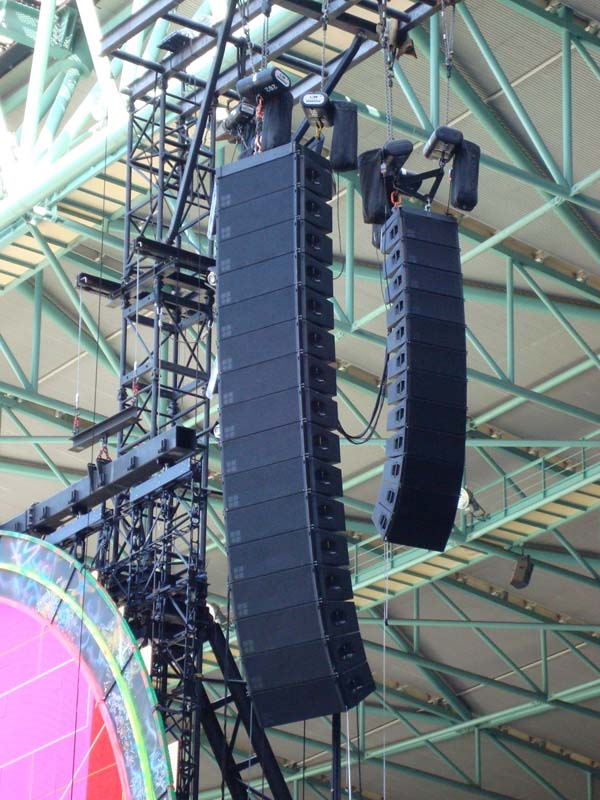
    Kirk describes mixing Keith’s show as like mixing a rock show and that he just follows his lead. Initially he built snapshots for every song but discarded them after the first show as Keith is very much a free spirit on stage.

    Although Kirk wasn’t using any outboard effects on this show, typically has eight RF vocal mics active for Keith as he can pop up anywhere on stage or out front at any time. “It didn’t seem cost effective to build money channels for each one of those RF microphones and as a result I came up with a scheme so next year I can go ahead and route them through their own separate mixer. I use a lot of Waves as well as Brainworx, SPL Transient Designer and Echo Farm.

    Monitors were mixed by Phil ‘side fill’ Wilke on a couple of Midas H3000 analogue consoles with a bunch of outboard effects. Keith and his band use both IEM’s and wedges, with Keith typically using just the one IEM as audience microphones don’t give him the same feel as wedges.

    The Ripcord tour has been on the road for several months and fans regularly post to Keith Urban’s facebook page and there is rarely any mention of audio quality, which we all know is a good thing!

    Gallery


  • JPJ adds to d&b inventory

    d and b speakers

    JPJ Audio has purchased a new d&b audiotechnik speaker system including the new B22 high performance subs and powered by over 20 D80 high power density amplifiers.

    The system will be used for Aladdin the Musical, opening at the Capitol theatre Sydney in early August.

  • JPJ adds to Digital Console Inventory

    Digico consoles

    When it was released, over a decade ago, JPJ Audio was one of the first rental companies to purchase the Digico D5. Since then we’ve added SD10, SD7 and more recently SD5 Live Digital Consoles to our extensive rental inventory.

    For more information on the consoles we use visit our equipment pages.

  • JPJ Audio purchases L-Acoustics K2

    L-Acoustics K2 hangK2 CabinetK2 with K1 and SB28

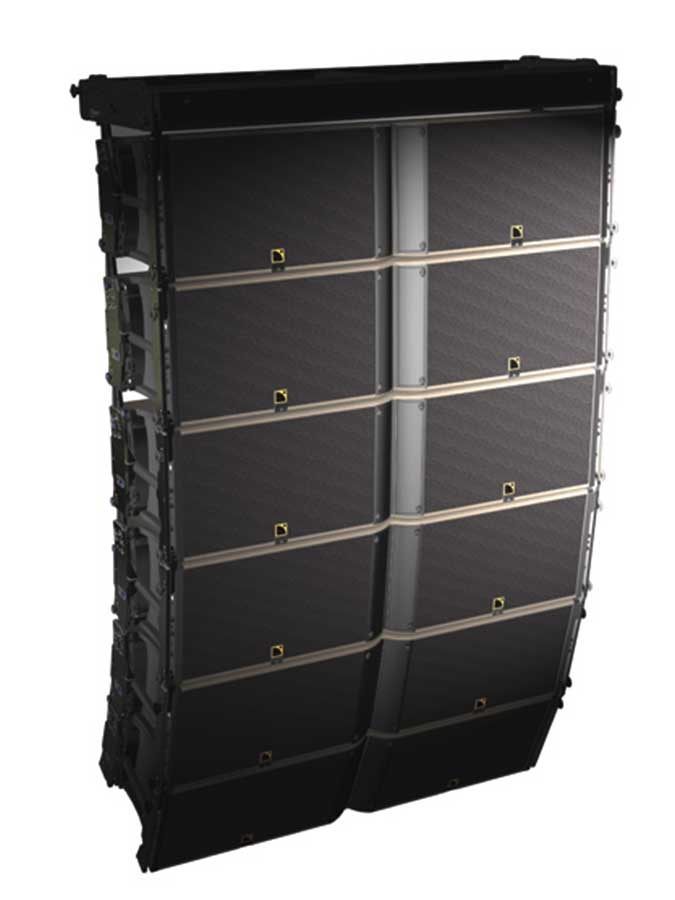
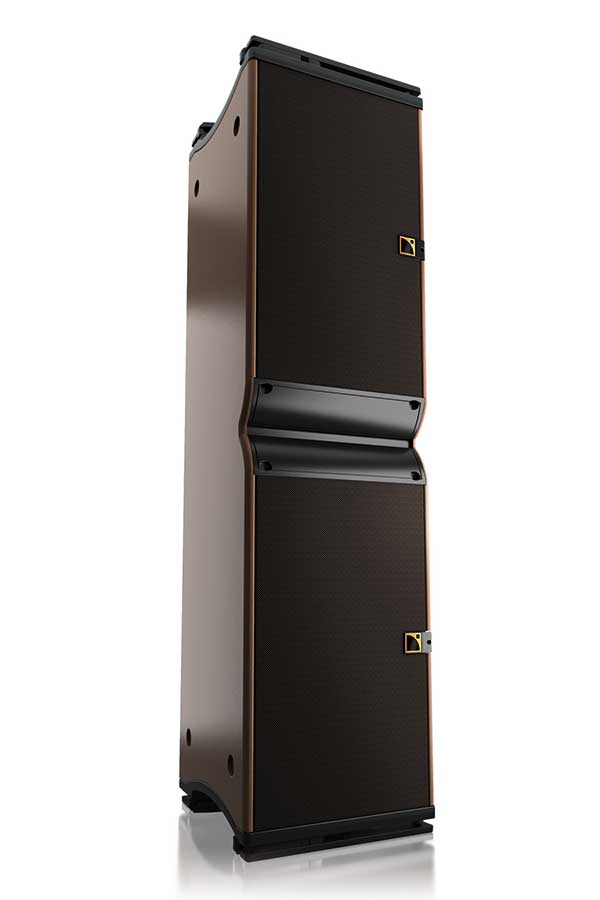
    JPJ Audio has added to its extensive inventory of L-Acoustics products with the purchase of a K2 system. K2 is a 12″ format, variable curvature, enclosure designed for events with audiences of up to 20,000.

    K2 provides the same acoustic performance as K1 with a max SPL positioned 3 dB below its larger sibling. But to accommodate shorter throws and provide more accurate control the K2 features a maximum splay angle of 10° and adjustable horizontal directivity with 4 settings in one box: 70° and 110° symmetrical;
    90° asymmetrical left or right – effective down to 300 Hz.

    Each K2 weighs only 56 kg (110 lbs) making the package ideal for buildings and outdoor events where there are rigging limitations.

    K2 Highlights

    • Variable curvature WST line source
    • K1 system design rescaled into a 12″ compact and flexible format
    • V-DOSC SPL and bandwidth, with 10° inter-element flexibility
    • 100% acoustic and rigging compatibility with K1 and K1-SB
    • 70°/110° symmetric and 90° (L/R) asymmetric horizontal directivity
    • LA-RAK (LA8) advanced system drive and protection
    • Low-weight for rigging limitations and cost-effective logistics

    More Information

  • Coldplay 2012

    Coldplay Australian tour 2012
    © Guto Monteiro / JPJ Audio. Click to enlarge.

    Promoting their fifth studio album, Mylo Xyloto, this was Coldplay’s first Australian tour since 2009’s Viva La Vida tour, aside for their quick visit for the 2011 Splendour in the Grass (Qld) festival.

    JPJ Audio provided the d&b speaker system along with L-Acoustics V-Dosc and Kudo for delays.

    Dates

    November 13 – Etihad Stadium, Melbourne
    November 17, 18 – Allianz Stadium, Sydney
    November 21 – Suncorp Stadium, Brisbane

    Main Speaker System

    d&b Main system J-8 and J-Sub
    © Guto Monteiro / JPJ Audio. Click to enlarge.
    • 40 x d&b J-8 Enclosure
    • 20 d&b J-SUB Sub-low Enclosure – flown
    • 12 d&b J-SUB Sub-low Enclosure
    • 10 d&b J-INFRA Sub-low Enclosure
    • 72 x d&b D12 amplifier

    Front Fill Speaker System

    • 6 d&b Q7 Enclosure
    • 4 d&b Q1 Line Array Module
    • 6 x d&b D12 amplifier


    Side Speaker System

    d&b Side system J-8, J-12, V8, V12
    © Guto Monteiro / JPJ Audio. Click to enlarge.
    • 24 d&b J-8 Enclosure
    • 8 d&b J-12 Enclosure
    • 16 d&b V8 Enclosure
    • 8 d&b V12 Enclosure
    • 2 d&b V8/V12 amp rack
    • 18 x d&b D12 amplifier


    Delay System

    Delay system. L-Acoustics V-Dosc
    © Guto Monteiro / JPJ Audio. Click to enlarge.
    • 36 L-Acoustics V-Dosc elements (3 hangs of 12)
    • 54 L-Acoustics Kudo elements (4 hangs of 6) (Etihad Stadium)
    • 24 L-Acoustics Kudo elements (4 hangs of 6) (Allianz Stadium)


    JPJ Audio Crew

    Delay system. L-Acoustics Kudo
    © Guto Monteiro / JPJ Audio. Click to enlarge.
    • FOH System Engineer
      Josh de Jong
    • System Techs.
      Connor Dunne, Guto Monteiro, Craig Gordon, Dakota Crouch
    • Monitor System Engineer – Opening act.
      Shaun Ayles
    • Delay System Techs.
      Duncan Kaye, William Ramage